
Ultimate Guide To Foundation Repair Products For Structural Fixes
Get insights into the essential tools and materials that make foundation repairs more effective and less invasive.
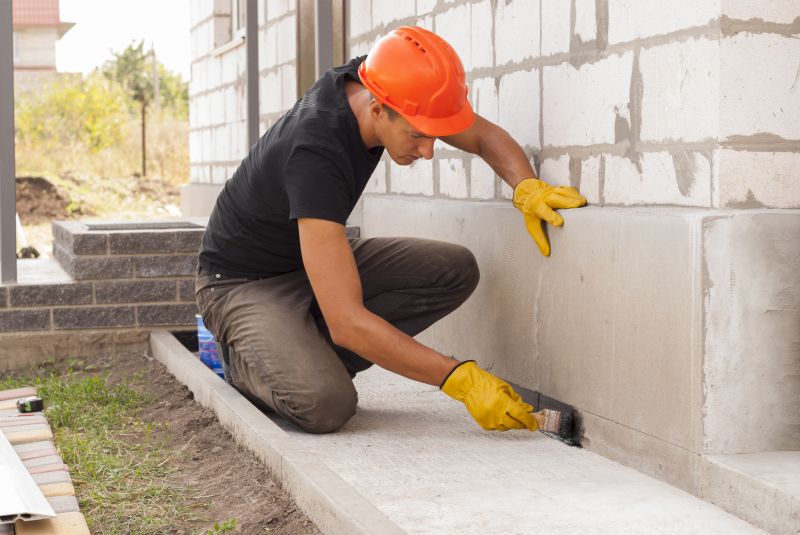 Foundation issues can pose significant challenges for homeowners, especially in regions like West Chester, OH, where soil conditions and weather patterns may influence structural stability. When considering foundation repairs, it is essential to understand the variety of products available that can address different types of foundation concerns. From minor cracks to more substantial settling or shifting, selecting the appropriate repair products can help maintain the integrity of a property and prevent further damage. It is advisable to consult with a foundation specialist to determine the most suitable solutions for specific issues.
Types of Products For Foundation Repairs
Steel Push Piers
Steel push piers are driven into the ground beneath the foundation to provide support and lift sinking structures. They are often used in deep soil conditions and offer strong load-bearing capacity.
Helical Piers
Helical piers are screwed into the ground and used to stabilize and lift foundations. They are suitable for areas with variable soil conditions and can be installed with minimal disturbance.
Slab Jacking / Mudjacking
This technique involves injecting a grout mixture beneath a concrete slab to lift and level it. It is commonly used for repairing uneven driveways and sidewalks.
Carbon Fiber Reinforcement
Carbon fiber strips are applied to cracked basement walls or slabs to reinforce and prevent further cracking. They are lightweight and easy to install.
Wall Anchors
Wall anchors are installed to stabilize bowing or leaning basement walls by attaching them to the soil outside the foundation, providing lateral support.
Epoxy Injection
Epoxy injections are used to fill cracks in concrete foundations, restoring strength and preventing water intrusion.
Underpinning Systems
Underpinning involves strengthening and stabilizing the existing foundation by extending it to more stable soil layers.
Soil Stabilization Products
These products improve soil strength and reduce settlement issues by chemically stabilizing the ground around the foundation.
Waterproofing Membranes
Waterproof membranes are applied to basement walls and floors to prevent water seepage and protect the foundation from moisture damage.
Drainage Systems
Proper drainage solutions, including French drains and sump pumps, help divert water away from the foundation to minimize water-related issues.
Pier and Beam Supports
Supports and jacks designed for pier and beam foundations help lift and stabilize structures with crawl spaces or raised foundations.
Crack Repair Kits
These kits typically include epoxy or polyurethane materials to seal small cracks and prevent water infiltration.
Foundation Ventilation Products
Ventilation products improve airflow in crawl spaces, reducing moisture buildup and potential foundation issues.
Concrete Sealers
Sealants applied to concrete surfaces help protect against water penetration and surface deterioration.
Popular Choices
Hydraulic push piers are commonly used for foundation stabilization and lifting, offering a customizable approach based on soil conditions.
Applying carbon fiber strips to basement walls is a popular method for reinforcing cracks and preventing further movement.
This technique is frequently chosen for leveling uneven concrete surfaces like driveways and sidewalks.
Wall anchors are widely used to stabilize bowing basement walls and are considered a minimally invasive solution.
Epoxy injections are a common solution for sealing cracks and restoring the structural integrity of concrete foundations.
Effective drainage solutions are popular for managing water flow and preventing foundation water damage.
Waterproofing membranes are frequently used to protect basement walls from moisture intrusion and deterioration.
Soil stabilization is gaining popularity as a preventative measure to reduce settlement and shifting issues.
Underpinning is often selected for homes with significant foundation settlement requiring reinforcement.
Crack repair kits are a convenient choice for addressing small cracks in concrete foundations quickly.
Supports for pier and beam foundations are commonly used to stabilize and raise structures with crawl spaces.
Foundation repair products are designed to reinforce, stabilize, and lift foundations as needed. Many of these products are engineered to work with different types of foundations, including concrete slabs, pier and beam systems, and basement walls. Proper installation and choice of the right repair materials are crucial for achieving long-lasting results. Homeowners should also consider the ease of application, durability, and compatibility with existing structures when evaluating different repair options.
In addition to structural reinforcement, some products focus on waterproofing and moisture control, which are vital in preventing future foundation problems. Regular maintenance and inspections can help identify early signs of issues, allowing for timely intervention with the appropriate products. Overall, a comprehensive approach that combines structural repairs with moisture management can contribute to the longevity and safety of a home’s foundation in West Chester, OH.
Key Buying Considerations
- Identify the specific foundation issue to select the most appropriate product type.
- Consider the soil conditions and how they influence foundation stability and repair options.
- Evaluate the compatibility of repair products with your existing foundation materials.
- Assess the ease of installation and whether professional assistance is recommended.
- Check the durability and longevity of the repair products for long-term stability.
- Review the extent of the damage to determine if a single solution or a combination of products is necessary.
- Understand the local climate and moisture levels that may affect foundation health.
- Consider the potential need for waterproofing or moisture management products alongside structural repairs.
- Research product warranties and manufacturer support for peace of mind.
- Determine the budget and compare costs for different repair solutions.
- Ensure that the products meet relevant building codes and standards.
- Look for products with proven track records in similar soil and foundation conditions.
- Evaluate the impact of repairs on property value and safety.
- Consider future maintenance requirements and ease of access for inspections.
- Consult with licensed foundation repair specialists to get tailored recommendations.